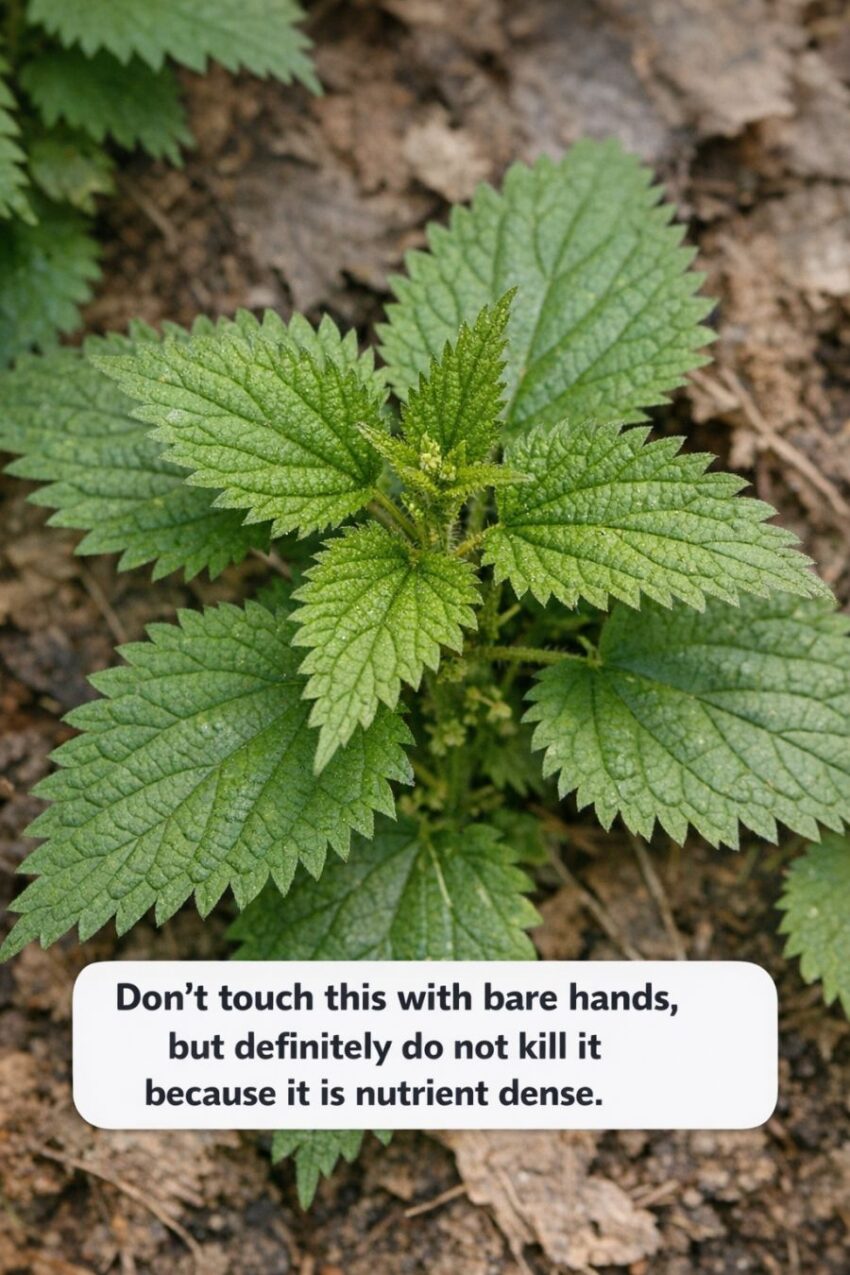
In the wild, there exists a plant that you should approach with caution, yet cherish for its remarkable nutritional benefits. This plant is not just a source of sustenance but a testament to nature’s paradoxes: something that can cause discomfort but also provide healthful nutrients. Stinging nettle, often found in temperate regions, is a plant that thrives in the wild and offers an abundance of benefits to those willing to handle it correctly.
Despite its prickly reputation, stinging nettle has been utilized for centuries as a food source and medicinal herb. Many people are not aware of its nutritional profile, which includes an impressive array of vitamins, minerals, and antioxidants. However, proper handling and preparation are key to unlocking its potential without experiencing its infamous sting.
1. Meet the Plant You Should Never Touch With Bare Hands
Stinging nettle, or Urtica dioica, is a perennial plant that can grow up to 1 to 2 meters tall. It is easily recognized by its serrated leaves and tiny, hair-like structures on its surface. These hairs act as tiny hypodermic needles, capable of injecting a mixture of irritating chemicals when touched. The plant is commonly found in Europe, North America, and parts of Asia, thriving in nutrient-rich soils near riverbanks, forests, and even urban areas.
While its sting deters many, stinging nettle is considered a superfood by those familiar with its benefits. It’s important to note that the plant’s defensive mechanism is only active when fresh and raw, which means that with proper handling, it can be safely consumed.
2. Why Stinging Nettle Hurts So Much on Contact
The pain and irritation caused by stinging nettle are due to its tiny, hollow hairs called trichomes. These trichomes contain a mixture of chemicals, including histamine, acetylcholine, serotonin, and formic acid. When the plant is touched, the tips of the trichomes break off, transforming them into needles that inject these chemicals into the skin, causing a stinging sensation and sometimes a rash.
This self-defense mechanism is effective at deterring herbivores and unwary humans alike, but the discomfort is generally short-lived. In most cases, the symptoms subside within a few hours, but in sensitive individuals, the reaction can be more pronounced.
3. The Science Behind Its Surprising Nutrient Density
Stinging nettle is packed with essential nutrients, making it an excellent addition to a balanced diet. It contains high levels of vitamins A, C, K, and several B vitamins. Additionally, it is a rich source of minerals such as iron, calcium, magnesium, and potassium. The plant’s leaves are composed of up to 25% protein, making it one of the highest-protein vegetables known, which is particularly valuable in vegetarian and vegan diets.
Research has shown that stinging nettle also contains a variety of phytonutrients, including flavonoids and carotenoids, which contribute to its antioxidant properties. These compounds help to combat oxidative stress and may offer protective benefits against chronic diseases.
4. Key Vitamins, Minerals, and Antioxidants Packed Into Nettle
The nutritional profile of stinging nettle is impressive, with notable concentrations of several vital nutrients. For instance, it provides over 100% of the recommended daily allowance (RDA) of vitamin A and C per serving. Vitamin A is essential for maintaining healthy vision, skin, and immune function, while vitamin C is crucial for collagen synthesis and immune defense.
The plant’s mineral content is equally noteworthy. A 100-gram serving of nettle provides approximately 300 milligrams of calcium, supporting bone health, and 4 milligrams of iron, which is vital for red blood cell production. The presence of antioxidants like quercetin and kaempferol further enhances nettle’s health benefits by reducing inflammation and supporting cardiovascular health.
5. Traditional Cultures That Have Relied on Stinging Nettle as Food
Throughout history, various cultures have recognized the value of stinging nettle as a food source. In Europe, particularly in regions like Eastern Europe and the British Isles, nettles have been used in soups, teas, and as a cooked vegetable. During times of scarcity, such as war and famine, nettle became a crucial part of the diet, providing necessary nutrients when other foods were scarce.
In addition to its role in European cuisine, stinging nettle has been used in traditional Chinese medicine and Native American herbal practices. These cultures have long appreciated nettle for its health benefits, using it to treat a variety of ailments and to fortify the body with essential nutrients.
6. Safe Foraging: How to Harvest Nettle Without Getting Stung
Foraging for stinging nettle can be a rewarding experience if done with care. To avoid being stung, it’s crucial to wear gloves and long sleeves when harvesting the plant. Use scissors or a knife to cut the top few inches of the plant, which are the most tender and nutritious parts.
It’s best to harvest nettles in the spring when the leaves are young and before the plant flowers. This is when they are most flavorful and rich in nutrients. Always forage responsibly, ensuring that you leave enough of the plant behind to allow for regrowth and avoid overharvesting from any single area.
7. The Crucial Step: Neutralizing the Sting Before You Eat It
Before consuming stinging nettle, it is essential to neutralize its sting. Cooking the plant is the most effective way to achieve this. Heat deactivates the chemicals in the trichomes, rendering them harmless. Simply blanch the nettles in boiling water for a few minutes, or steam them until wilted.
Drying is another method to neutralize the sting, making dried nettle leaves a popular choice for teas and herbal infusions. Once the sting is neutralized, the leaves can be used similarly to other leafy greens, such as spinach.
8. Easy Ways to Cook Stinging Nettle at Home
Cooking with stinging nettle is similar to using other leafy greens. Once the sting is neutralized, the leaves can be sautéed with garlic and olive oil, added to soups, or blended into pesto. Nettle’s flavor is often described as earthy and slightly nutty, making it a versatile ingredient in many dishes.
For a simple nettle soup, sauté onions and garlic in a pot, add vegetable broth, and simmer with blanched nettle leaves until tender. Puree the mixture for a smooth, nutrient-dense soup that’s both delicious and nourishing.
9. Creative Recipes: From Nettle Pesto to Supercharged Soups
Nettle pesto is a creative and tasty way to use this superfood. Blend blanched nettle leaves with nuts like pine nuts or walnuts, garlic, parmesan cheese, and olive oil for a twist on traditional basil pesto. This vibrant green sauce can be used on pasta, sandwiches, or as a dip.
Another inventive use for stinging nettle is in smoothies. Combine a handful of blanched nettle leaves with banana, apple, and a splash of lemon juice for a green smoothie that’s packed with nutrients. For those who enjoy baking, nettle can be incorporated into bread or savory muffins, adding a boost of nutrition and a unique flavor.
10. Who Should Be Careful: Allergies, Medications, and Side Effects
While stinging nettle is safe for most people, certain individuals should exercise caution. Those with known allergies to plants in the Urticaceae family should avoid nettle. Additionally, nettle may interact with medications such as blood thinners, diuretics, and anti-inflammatory drugs, so it’s important to consult with a healthcare provider if you’re on these medications.
In rare cases, consuming large quantities of nettle can lead to stomach upset or kidney issues due to its high mineral content. Moderation is key, and it’s always best to introduce new foods into your diet gradually.
11. Why You Should Protect, Not Kill, This Wild Superfood Weed
Stinging nettle is more than just a wild weed; it’s a valuable resource that deserves protection. Its ability to thrive in diverse environments makes it an important plant for ecological balance. Nettle provides habitat and food for various wildlife species, contributing to biodiversity.
By harvesting nettle sustainably and promoting its benefits, we can ensure that future generations continue to enjoy and benefit from this remarkable plant. Rather than viewing it as a nuisance, embracing nettle as a superfood can lead to healthier diets and a deeper connection to the natural world.